What information helps distinguish outlet service from an alteration?
Inspect accessible outlets and the surface routes feeding them, recording debris, damaged material and visible elevation concerns separately. Cleaning has a different purpose from rebuilding a failed connection or changing drainage geometry. Examine the installed discharge information available and identify additional measurement or plumbing participation when needed. A water occurrence or the time a puddle remains does not by itself establish the complete cause.
Put the relevant findings into a condition record that locates the drainage question. Where the proposal changes an outlet or receiver height, review supporting construction and adjacent details before accepting the installation approach. The director can authorize the investigation needed to settle that relationship and coordinate the resulting correction with the roof phase. Each task carries its purpose and physical reference, making service and larger alteration easier to compare as complete construction decisions.
How should the building calendar shape the phase?
Identify the spaces and equipment affected by the chosen method, then ask the operator to confirm practical access and occupied arrangements. A material receiving period may need a separate decision from work above a particular room. Keep the accepted route, timing and responsible contact with the phase. If the work area changes, review the operating provisions that change with it before relying on the original calendar arrangement.
Current wind and surface condition also affect the method at the property. Set practical opening limits from the available protection and closing connection, and coordinate equipment precautions through facility staff and relevant qualified trades. When another project involves a Bressi Ranch property or a Carlsbad Oaks North assignment, retain that building's own arrangement. The director can schedule related visits without applying one property's accepted receiving route or service decision to another operator's facility.
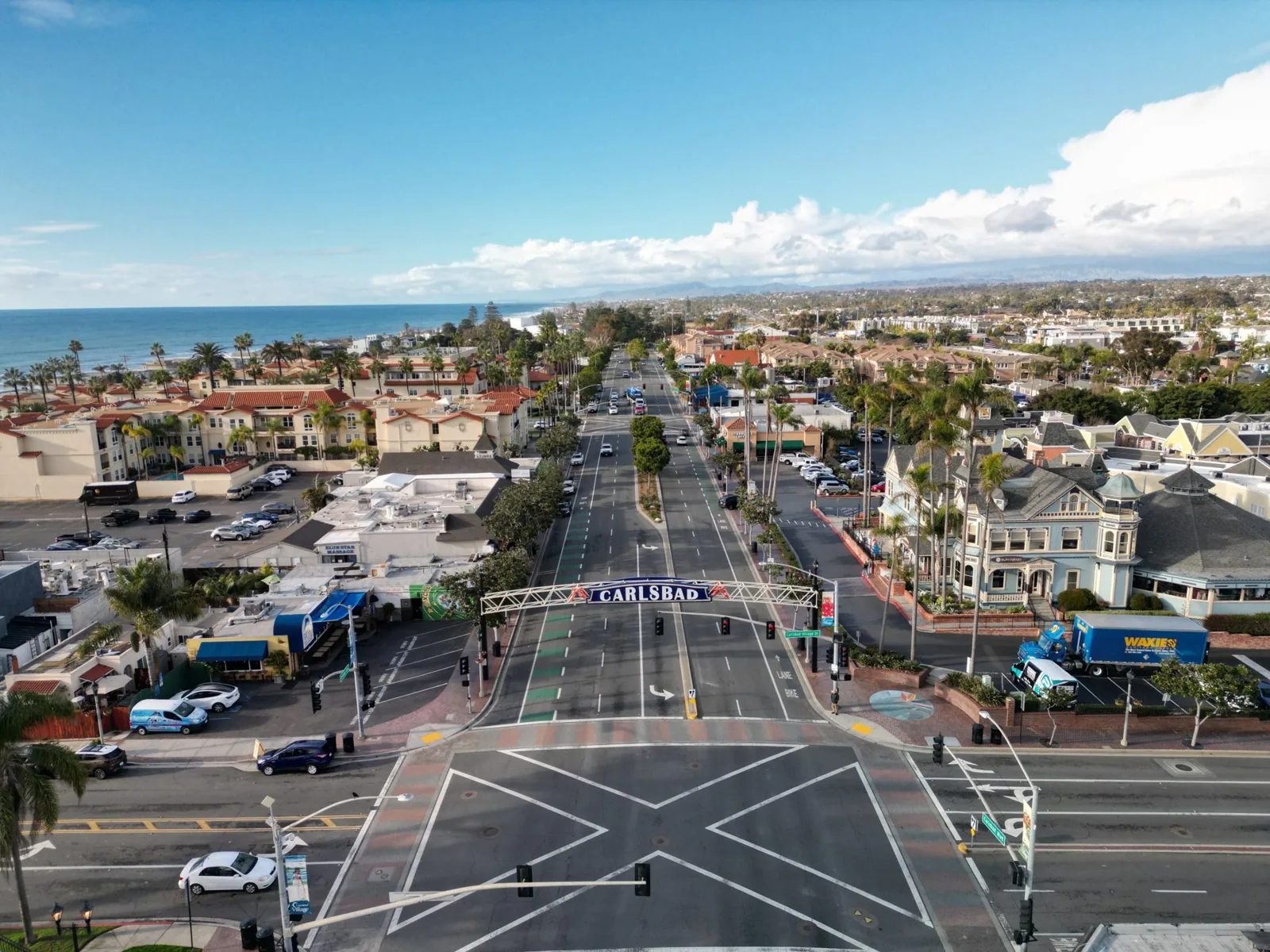
Confirm receiving and service access with the individual Carlsbad property operator.
What makes a larger roof option useful to the owner?
Establish the assembly and the investigation coverage relevant to retention or removal. Support, attachment, material suitability and moisture affect the option together. Thermal indications need appropriate interpretation and confirmation; local samples describe the layers at their positions. The proposed wider construction needs evidence suited to its extent. Explain the additional examination required where an unresolved finding could materially change the option or quantity.
Compare complete alternatives with receiving correction and adjoining detail work included. Changed heights can affect equipment, walls and drainage, and those interfaces belong in the scope before material procurement. Retain approved changes and located completion evidence after the phase, with outstanding service or examination assigned to its responsible participant. The director has the roof work delivered and the next decision clearly identified, making future assessment and scheduling more useful than a surface description without its construction history.
Commercial Roofing Questions
What previous records are useful before a Carlsbad roof walk?
Provide located service entries, available drawings and photographs of earlier correction. Include equipment or enclosure changes relevant to the report. Compare those references with the present construction so history helps guide examination without settling a new cause in advance.
How should ongoing equipment access be considered during repair?
Review the route with the actual service participants and operator. Examine surface condition and the assembly receiving any proposed protection. Give the physical repair and continuing access arrangement their own defined tasks and responsibilities.
What should a treatment proposal include beyond field coverage?
Include compatible preparation, correction of defects and the relevant connections. Identify receiver questions requiring further review. Coordinate product-specific application and curing provisions with protection and occupied arrangements for the complete phase.
How should an outlet elevation question move toward correction?
Locate the concern and obtain measurements or supporting review appropriate to the proposed change. Consider the discharge and adjacent connection heights. The installation scope follows that assessment, with the director able to arrange the supporting task before the roof phase depends on it.