How are equipment areas followed over time?
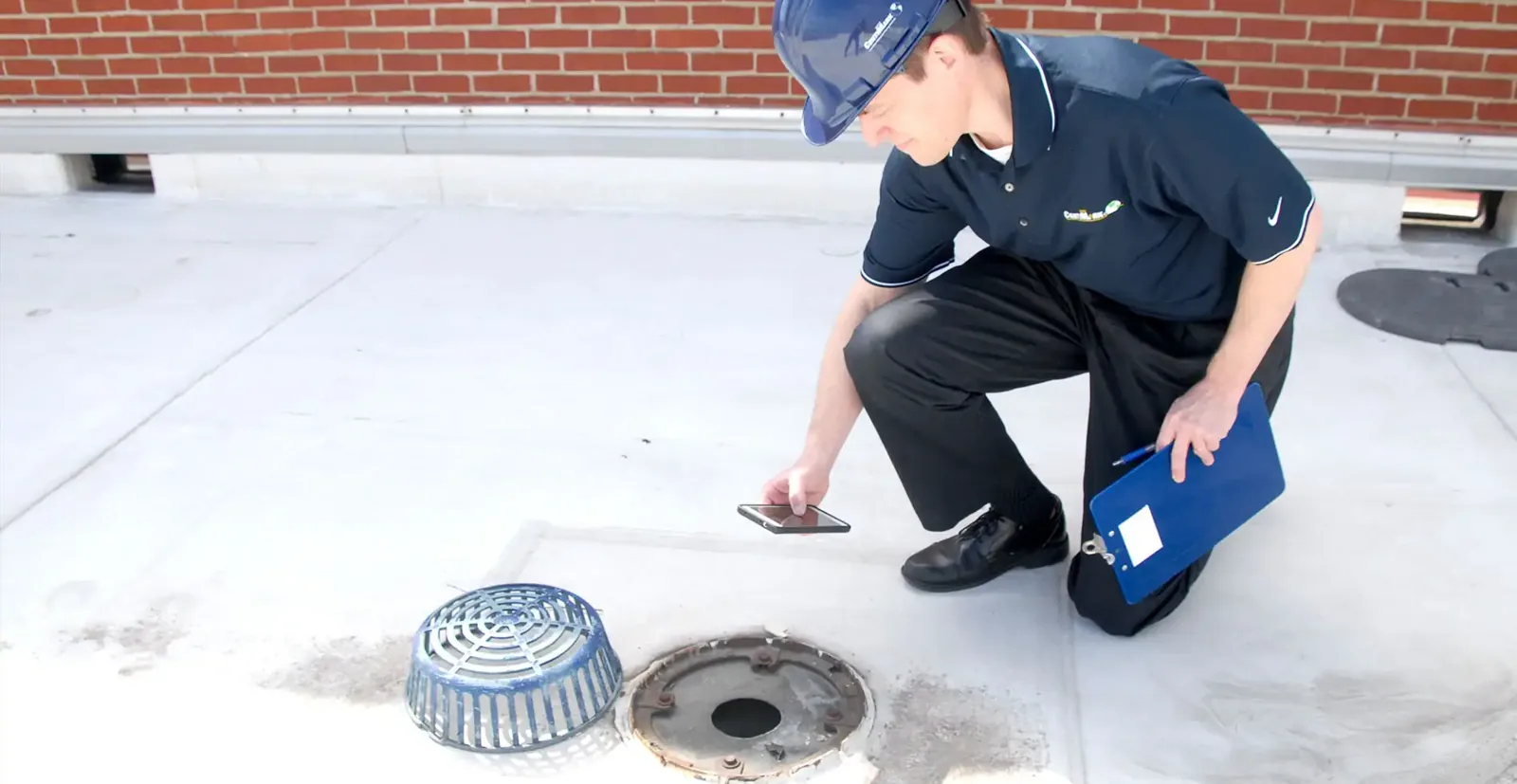
Service traffic and equipment alterations can affect roof connections. Record the work reported by other trades and examine relevant accessible details during the agreed visit. A new surface mark may need closer assessment; it is not automatic evidence of a hidden failure. The useful recommendation locates the concern and identifies what the next check should answer.
At an Ocean Ranch Corporate Center building, the operator supplies the equipment and receiving arrangements for the visit. A Rancho Del Oro property has its own contacts and restrictions. Our equipment interface review assigns relevant roof questions alongside qualified trade tasks when a planned change affects the connection.
How do findings become a repair decision?
Describe the observed condition, location and recommended timing with its reason. The consequences and intended roof plan influence priority. An open connection above occupied space presents a different choice from an unchanged surface concern suitable for observation. Keep uncertainty visible where a concealed condition could change the proposed treatment.
A defined repair scope includes preparation, compatible materials and relevant completion checks. Further investigation has its own purpose and coverage. The facility director can then approve a useful next task rather than a broad repair quantity based only on the number of photographs. Completed work returns to the same record so later visits can review the correction instead of repeatedly listing it as unresolved.
Which documents need to stay with the program?
Manufacturer and workmanship terms have their own maintenance, reporting and coverage requirements. Retain the actual documents with the corresponding installation. A recurring visit does not extend every coverage period automatically. Product information also guides compatible cleaning or repair methods where those tasks are agreed.
Our agreement record management keeps relevant procedures connected to the roof history. When another trade proposes a rooftop change, review applicable requirements with the responsible parties before altering the assembly. The director should know which notification or coordination task is needed and keep its record with the approved work, avoiding a later search for the terms after a concern appears.
Each recurring visit should use consistent roof references so the director can compare a current drain, curb, or seam with the prior entry. Record the specific task completed, condition observed, and any access limitation; do not convert a visual check into assurance about concealed layers. Separate routine service from corrective work that needs authorization. When repeated attention suggests a larger question, summarize the dates and locations, then recommend the investigation that would support a budget decision.
What makes the history useful for the next budget?
Keep visit dates, locations and completed tasks consistent across the program. Distinguish repaired concerns, items being observed and tasks awaiting another party. Add authorized changes and relevant images at those references. A clear history lets the director compare actual progress without interpreting a new, unrelated list after each visit.
If active entry is reported, leak investigation addresses that question rather than waiting for a scheduled round. Wider planning may require more examination before comparing retained-roof or replacement work. The maintenance file supports those choices within its coverage, with the next assessment and operating needs identified so the expenditure follows evidence from the building.
Commercial Roofing Questions
How should recurring visits handle unsuitable surface conditions?
Assess the intended tasks separately against their method requirements. Record useful observations and agreed work completed, then identify the period or alternative needed for anything deferred. The facility calendar should retain that next task and its operating arrangements.
What distinguishes upkeep from another repair proposal?
The program states its examination, cleaning and authorization limits. A finding beyond them receives a located recommendation and supporting reason. The director can approve the defined correction separately while keeping its completion in the maintenance record.
When should an equipment change prompt another visit?
Review the change where it affects roof connections, access or surface protection. Establish the relevant trade information and suitable examination. The record should connect the proposed alteration with the interface questions before installation proceeds.
How does the program support future spending?
Consistent locations show completed corrections and changing concerns. Unresolved questions receive a next assessment rather than an assumed construction quantity. The director can then compare options using actual findings and the supporting work each would require.
What should remain with coverage documents?
Keep the corresponding installation, upkeep records and applicable notice requirements together. Add authorized changes and product information relevant to later tasks. Actual document terms govern their decisions, while the maintenance scope preserves its own coverage and limits.