What can proceed when the surface needs further preparation?
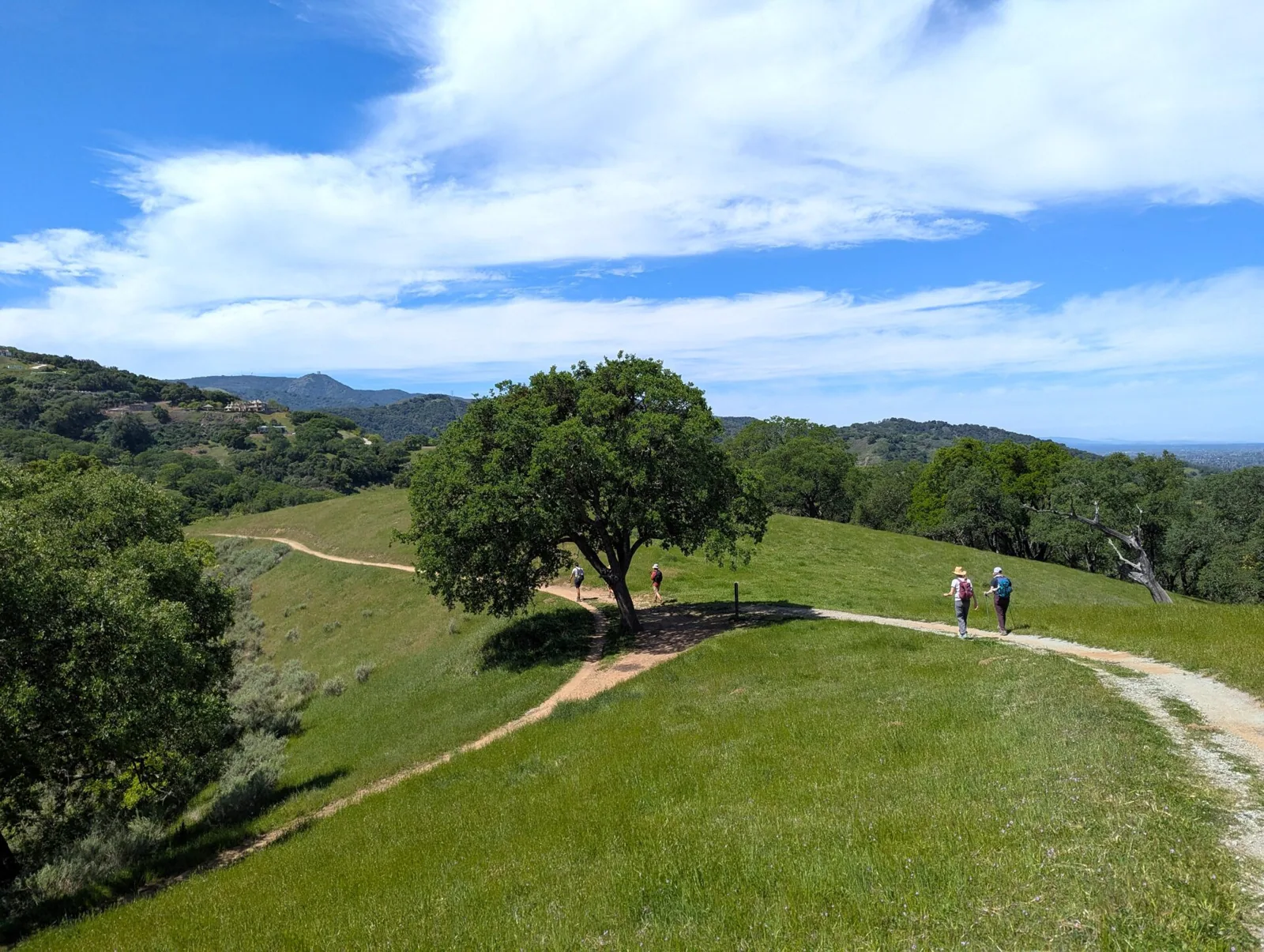
A cloudy coastal morning provides planning context, while examination at the roof establishes the receiver's condition. Check moisture and contamination and compare the intended application with its product requirements. Some preparatory or assessment work may be available while another operation waits for suitable conditions. Explain the task that can proceed and the observation needed before the following step is released. The director then has a practical sequence to compare with the facility's operating period.
A broader treatment needs the same attention to its complete scope. Correct defects and prepare suitable construction before relying on field coverage. Determine what application and curing intervals require from the protection plan, and coordinate any related equipment actions accordingly. An unresolved wet layer or attachment concern needs investigation matched to the proposed retained construction. The work period should carry those physical requirements, allowing the facility to arrange a suitable next phase when weather or the examined receiver changes the original sequence.
How should concealed findings influence the owner decision?
Describe the coverage of the examination and the question each additional investigation would address. A thermal indication can be influenced by surface and equipment conditions, so use appropriate interpretation and physical confirmation. An examined opening establishes local layer information. The proposed retained area or removal quantity needs evidence suited to its extent and the construction on which the option depends. The owner can then see the connection between the information obtained and the recommendation being developed.
Put that information into an assessment referenced to the affected roof. Include photographs, confirmed conditions and remaining investigation at identifiable positions. Where findings change the construction allowance, describe the added correction and follow the agreed approval procedure. Supporting structure, attachment, drainage and detail heights enter larger option review as relevant to the actual assembly. The director receives a decision with its physical basis visible, along with the operating arrangements required for the next examination or authorized phase.
Which details should remain after the phase turns over?
Record completed connections before later access or coverings make them harder to inspect. Keep the material information and accepted changes with the relevant roof position. If equipment service or an enclosure task remains open, state its responsible participant and the next action. That distinction gives facility staff a usable reference when another interior report appears or a later service visit is arranged. The record follows what was actually completed at the building.
A usable roof service history also retains inspection restrictions and the supporting information still needed. The director can plan later access from those entries and compare new findings with earlier work. Before releasing another phase, review the roof construction, current conditions and protection available for the opening proposed. This keeps the operating calendar connected to physical readiness at the property, with changes explained before the facility rearranges activity around them.
Commercial Roofing Questions
What room information helps locate a roof concern?
Supply a room reference, safe photographs and the circumstances staff observed. Match those details with available roof or equipment drawings. Appropriate interior access helps examine the relevant path and distinguish the supported correction from a question needing further investigation.
How should another enclosure trade be included?
Identify the adjoining component and the correction or assessment required at that location. Coordinate its sequence with the roof connection. The proposal should show who addresses each interface and what must be ready before the roofing detail can finish.
What should a director request before a larger retained option?
Ask for the examined construction, investigation coverage and the basis for the retained area. Attachment, support, material suitability and moisture all matter to the option. Keep unresolved quantities and the task needed to establish them visible before procurement.
When should the occupied-building arrangements be revised?
Review them when the method, affected space or supporting equipment task changes. Confirm the accepted provisions with the responsible facility participants. Update the work sequence so the revised roof phase and operating calendar remain coordinated.