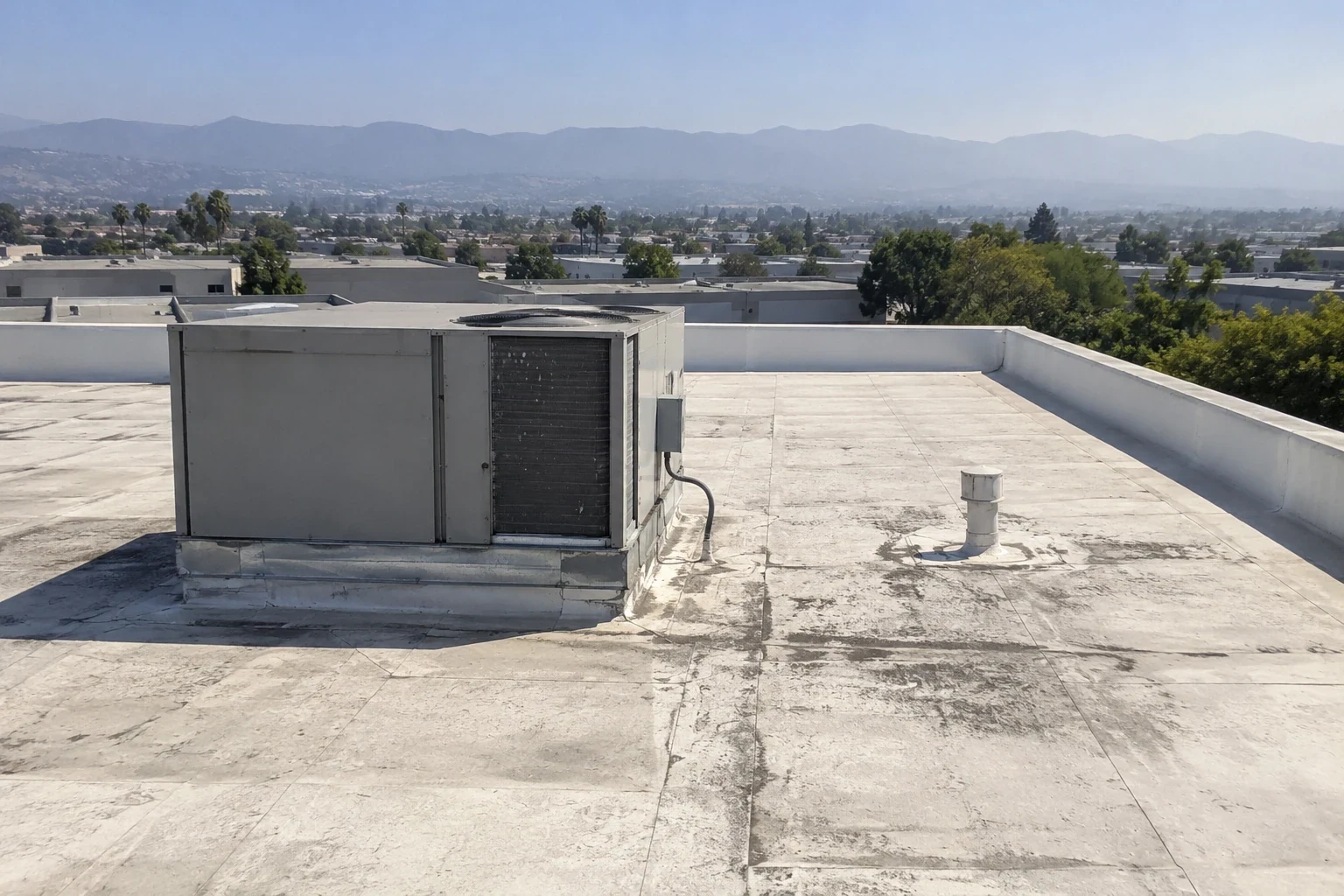
Who needs to participate before a phase is committed?
Local staff identify affected rooms, entrances and equipment, while the roof scope establishes preparation and complete weather connections. Relevant trades review equipment precautions and support changes appropriate to the method. A roof removal phase over occupied space carries those responsibilities with its opening and protection arrangement. Give the central facility director the practical limits so a program date does not stand in for site readiness.
A property-specific repair task should define its boundary and compatible receiving construction. Another wall, support or equipment correction retains its responsible team. Material procurement follows the accepted assembly and applicable requirements for that address. When a new concealed finding changes the task, locate and document the additional correction, then use the agreed authorization route while practical protection is maintained for the actual conditions.
How should maintenance and agreement matters join the same calendar?
Arrange scheduled roof service with the examination and operating requirements for each location. Record the observed condition, completed task and remaining action at the relevant roof reference. A common report format helps the director follow those outcomes across buildings, while the physical history retains the difference between outlet clearing, a flashing correction and a requested supporting trade visit.
Keep issued roof agreement procedures with the installation they concern. Notice, requested inspection and written approval can introduce another coordination task before an applicable correction or alteration. Retain the current status and responsible contact, allowing the program team to follow a matter through its actual review. The issuer's decision and the physical roof recommendation have separate roles in the owner's next work decision.
What should the next planning review receive?
Bring completed construction, current findings and unfinished responsibilities into the next review. Compare the actual work performed with its accepted scope and retain authorized changes at their locations. A phase completed at one building does not settle an unresolved interface at another. Keep that remaining task visible with the access and supporting decision needed, so the following work period begins with usable information rather than a general completion label.
Update the shared calendar from those property records. The facility director can review which sites are ready for procurement, which need further examination and which depend on local operating arrangements. Give each task a responsible person and a practical review point. For Oceanside and the surrounding North County buildings, this method carries climate, construction and occupied use into a coordinated sequence the local staff can follow.
Commercial Roofing Questions
What should be standardized across the building group?
Use consistent roof references, finding categories and task status so the director can compare the evidence. Retain each building's actual construction, examination limits and operating needs. The common method makes different properties easier to coordinate while their specific scopes remain visible.
Should every site use the same application date?
Establish readiness at the property from actual surface conditions, selected product requirements and safe access. Coordinate the local operating tasks with that sequence. A shared calendar can retain different useful periods while showing the director which preparation or supporting action each phase requires.
How should a changed concealed quantity enter the program?
Document the new finding at its roof location and define the additional correction. Follow the agreed review route for that building, retaining protection and operating effects with the revised task. Update the central work view from the accepted change and its practical sequence.
What helps local staff carry a phase into the next review?
Retain completion photographs, installed-material information and remaining responsibilities with the accepted scope. Identify the next access or trade task where work remains open. Those records let the director coordinate future funding and service from the outcome actually recorded at each property.