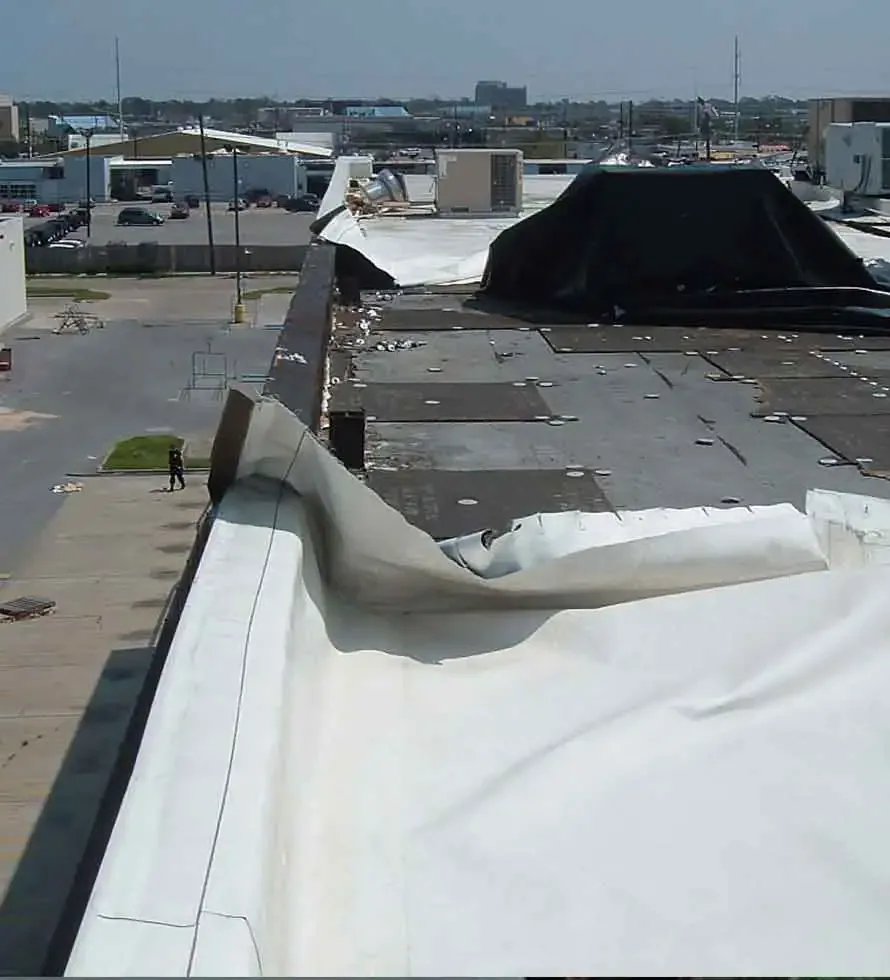
Which building activities require direct coordination?
Walk the affected areas with the operator to identify air-handling equipment, entrances, deliveries and sensitive activities. Describe how the proposed roofing method relates to each concern. Qualified facility personnel establish any necessary equipment control and restoration arrangements. Keep responsibility and timing assigned where a task depends on those measures.
At an Ocean Ranch Corporate Center property, obtain the actual occupant calendar rather than assuming office hours. For a Rancho del Oro building, confirm receiving and service access with its operator. Where the facility director also coordinates a Vista property, retain separate access and occupant arrangements for that building. These local business settings provide useful planning context; the facility's confirmed operations determine the work sequence and the notifications needed for an affected room.
How should equipment and roof openings be handled?
Equipment changes may require roofing, mechanical, electrical and design information before the connection is rebuilt. Identify the responsible trade for each task and the conditions required for its next handoff. Keep service access and any planned operating interruption in the coordinated sequence. An equipment label on a drawing does not complete the interface review.
Our curb and support coordination defines the roofing portion. A penetration detail review addresses suitable waterproofing connections. The director can compare the necessary personnel and authorizations before removal exposes an interface. Keep the revised arrangement in the roof record when an equipment task changes the agreed detail or construction boundary.
What happens when retained construction differs from the plan?
Document the location and the observed condition, then assess how it affects the current work boundary. Suitable immediate protection and any further investigation need an assigned method. The owner receives the proposed correction and its consequence for the next stage. Qualified design review is arranged where the finding raises a supporting-construction question.
Our insulation and cover-board review helps explain changes to the roof build-up. Findings at exposed locations need to be kept within their established extent. Review the scope and approval before extending work into adjoining construction. This provides a clear decision point for cost, material preparation and operator coordination when the original assumption needs to change.
Which project requirements belong in the work plan?
Oceanside identifies enforcement of the 2025 California Title 24 codes from January 1, 2026. Establish the project's accepted submission basis and applicable authority. Energy requirements depend on the actual alteration, compliance approach and relevant exceptions. The approved roof assembly and project documents should describe the complete work that will be installed.
Review manufacturer instructions and the actual coverage documents alongside those requirements. A proposed phased method still needs compatible details and suitable installation conditions. Keep approved revisions together with the operator's coordinated periods. The director can then distinguish a construction change needing authorization from a calendar adjustment that leaves the approved assembly and responsibilities intact.
Retain material identification, roof-area photographs and relevant installation checks with the final work boundaries. Describe authorized revisions, retained interfaces and any remaining task. Combine the roofing information with equipment completion records where trades shared an interface. The facility then has an understandable record of the constructed assembly rather than a collection of unlocated progress photographs.
Our subsequent maintenance planning uses that arrangement to organize accessible examination. Add equipment alterations and new observations to the same locations. A later interior drip needs source investigation rather than an assumption about the recent reroof. The director can use the completed record to arrange a suitable next task and notify the personnel whose operations could be affected.
Commercial Roofing Questions
Can people remain in the building during the work?
Review the proposed method against actual activities and the controls available for affected areas. The operator and relevant qualified personnel establish necessary arrangements. The plan should identify any activity that needs a different location or coordinated interruption before that stage proceeds.
Does each wing become a separate roof stage?
Choose the construction boundary from actual geometry, workable details and the approved method. A wing can help organize notifications but may not provide a suitable roof break. Explain the proposed boundary to the operator before its work period is fixed.
What changes when morning moisture delays an application?
Check current surface readiness and the product requirements, then identify useful preparation and the task that must wait. Communicate the calendar consequence to affected personnel. Review the next opening before proceeding with a sequence that depends on the delayed work.
How are concealed changes authorized?
Record the observed condition and location, explain the proposed correction and identify necessary design or owner review. Keep the immediate protection task assigned. The next stage should reflect the approved change and its operating consequences.
Which records help the facility after turnover?
Keep materials, final boundaries, approved changes and relevant checks at consistent locations. Add the equipment handoff records where applicable. The operator can then arrange maintenance or later examination around the actual completed construction.