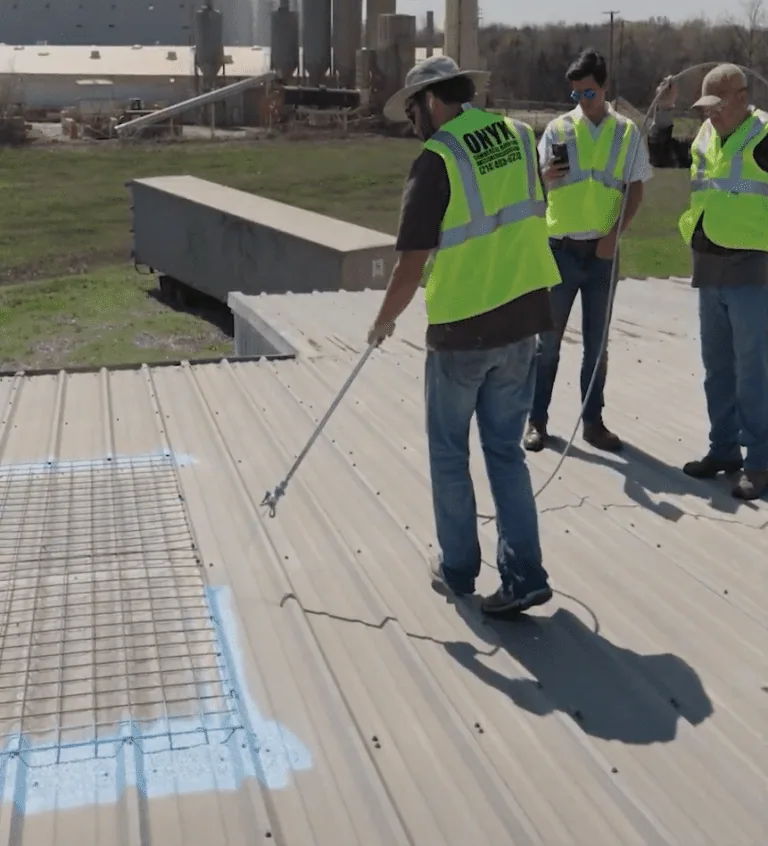
How is the construction correction described?
The proposal identifies preparation, compatible materials and the detail or assembly being restored. Supporting layers may need rebuilding, with qualified review where a deck or support concern affects the scope. Relevant equipment or enclosure work receives its own responsibility. Those tasks belong in the complete estimate rather than an informal expectation that another trade will make the connection ready.
Our defined repair work follows those findings. Broader options are compared where the evidence and requirements justify them, not because a claim has been opened. The facility director should understand what each option resolves, what it retains and which question remains. That account supports both construction approval and discussion of any expenditure outside the insurer's payment decision.
Which operating tasks affect the examination?
At an Ocean Ranch Corporate Center property, obtain the actual access and receiving arrangements from the operator. At a Rancho Del Oro building, confirm the affected rooms and equipment contacts for this visit. Those inputs help organize an examination period useful to the parties reviewing the roof.
If an adjuster or another professional visits, identify the relevant locations and authorized method beforehand. Sampling needs compatible restoration and suitable conditions. Equipment or air-handling controls require the responsible qualified personnel's coordination where affected. The calendar should keep those tasks assigned, so the review does not depend on an unapproved operating change or a roof area being opened without a practical closure arrangement.
How should temporary and permanent expenses be kept?
Retain authorizations, invoices and photographs for investigation, temporary protection and permanent work as distinct tasks. The record states what each expenditure accomplished and any limitation. Contractor scope and payment terms follow the actual agreement, while policy and insurer requirements need review with the appropriate parties. No general coverage expectation should replace that document review.
The permanent sequence follows preparation, materials and suitable conditions alongside the facility schedule. Marine-layer cloud and cooler-season rain can affect a planned period, but the actual method establishes readiness. Keep temporary reassessment assigned during that interval. A clear file allows the director to see both the protection still needing attention and the decision required for lasting construction.
What should be completed at turnover?
Document corrected locations, installed products and relevant checks. Preparation and concealed-work images help explain what the finished surface covers. Record revised quantities and their authorization with the original scope, identifying remaining trade tasks. The construction record should show what was delivered rather than treating claim closure as proof that every roof concern was corrected.
A dated condition record can retain further questions beyond the repair. A maintenance scope can compare accessible details later. Add new observations and equipment changes at the same references, giving the next examination a useful history. The facility director then has a practical construction file after the insurance discussion ends.
Commercial Roofing Questions
Can the construction report decide coverage?
The report provides located findings and explains the proposed work. Actual policy terms and insurer assessment govern coverage. Keep that responsibility separate so the owner can review useful construction evidence without treating the contractor’s scope as a payment decision.
What should be recorded during urgent protection?
Retain safely observed conditions, authorizations and the temporary measure’s purpose, coverage and follow-up needs. Photograph relevant findings where practical before concealment. The permanent investigation and correction remain separate tasks until their basis is established.
How should uncertain removal areas be shown?
Identify the evidence, suspected extent and the check or allowance needed to resolve it. Keep confirmed quantities distinct. The owner can then review further investigation before the estimate relies on an unexamined hidden condition.
What helps a joint roof review?
Arrange suitable access, location references and the intended method with responsible contacts. Assign supporting trade tasks and required permissions. The reviewers can then examine the relevant question without relying on an improvised opening or operating change.
What should remain after the insurance discussion?
Keep the construction findings, approved changes and completed repair record with actual coverage documents. Add later observations at those references. That history supports upkeep and another examination, while the original claim retains its own scope and evidence.