When does water entry need separate investigation?
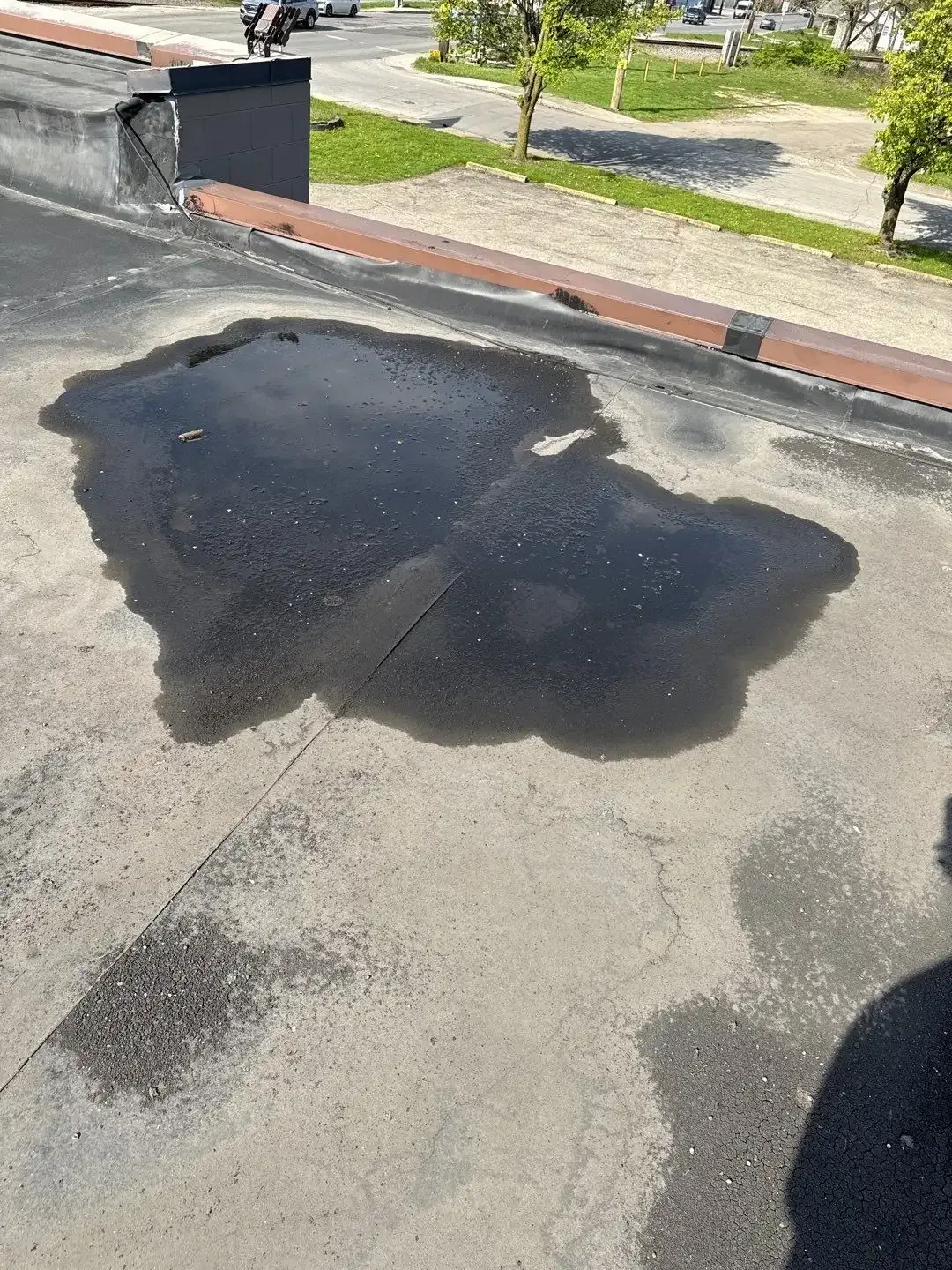
Water noticed during a storm can follow concealed components before reaching the occupied space. Compare the reported position with accessible details, equipment and drainage. A damaged component may need repair while the entry route remains unresolved. Timing alone cannot establish source or rule out other relevant building conditions.
Our leak investigation selects suitable authorized methods for that question. If concealed moisture extent affects rebuilding, thermal screening needs interpretation and appropriate confirmation. Samples describe their local conditions. Keep those limits and further checks clear before accepting a wider removal quantity, so the director can see what the evidence supports and what must still be examined.
How is compatible rebuilding described?
The proposed correction identifies preparation, affected layers and the connection to retained construction. Product requirements and actual conditions determine the joining or application method. Supporting damage needs an appropriate treatment, with qualified review where necessary. Another trade may be responsible for equipment or enclosure work required before roofing can finish.
Our planned repair scope makes those interfaces visible. Compare broader options only where the findings justify them, including supporting work and detail changes. A storm report or patch count is not an automatic replacement instruction. The facility director should understand which condition each option resolves and which uncertainty remains before approving the expenditure.
How is the revised work period coordinated?
At an Ocean Ranch Corporate Center building, the operator supplies affected rooms and delivery requirements. The work plan identifies material handling, access and necessary restrictions. Qualified personnel review equipment and air-handling precautions where the method depends on them. Keep those tasks assigned before opening a larger area.
Marine-layer conditions and cooler-season rain give planning context, while current surface readiness and product requirements establish useful application. If weather or a concealed finding changes the section, communicate its location and the next decision. Related trades need the current boundary. This keeps facility arrangements connected to the revised construction rather than assuming the original calendar remains suitable after the work changes.
What belongs in the claim and turnover record?
Keep dated observations, authorizations and temporary work separate from permanent construction quantities. Our claim documentation support organizes the findings and explains the repair scope for review. Actual policy terms and insurer assessment determine coverage. The contractor's work authorization establishes its task and charges.
At turnover, retain material information, corrected locations and relevant completion checks. Record approved changes and remaining trade work at the same references. A later examination can compare the observed condition with the correction actually delivered. The facility director then has both a usable roof history and a clear account of the further tasks that may need coordination after the event response ends.
Commercial Roofing Questions
Does the event date establish the roof damage?
Timing is part of the record alongside property observations and prior information. Suitable examination supports the construction recommendation. Keep suspected cause separate from confirmed findings before using the event to justify broad quantities.
What should be available for the first assessment?
Provide safe observations, affected-room references and the contact responsible for access. Identify restrictions and relevant equipment concerns. Qualified personnel establish controls where other hazards affect the available roof task.
How should temporary work be followed?
Record its purpose, covered locations, limitations and reassessment arrangements. Report renewed entry or movement so the next task addresses changed conditions. Keep the lasting correction separate until its source and assembly requirements are established.
What can change the permanent repair period?
Product readiness, access, weather and supporting trade work affect the useful window. A concealed finding may also revise the quantity or sequence. The update should identify the affected section and decision needed before the next task proceeds.
What makes the final record useful?
Retain the finding, authorized correction and completed location together, including materials and relevant checks. Keep remaining tasks assigned. Ownership can then review the work and later changes without reconstructing the event from scattered photographs.