Which prerequisite belongs to each qualified trade?
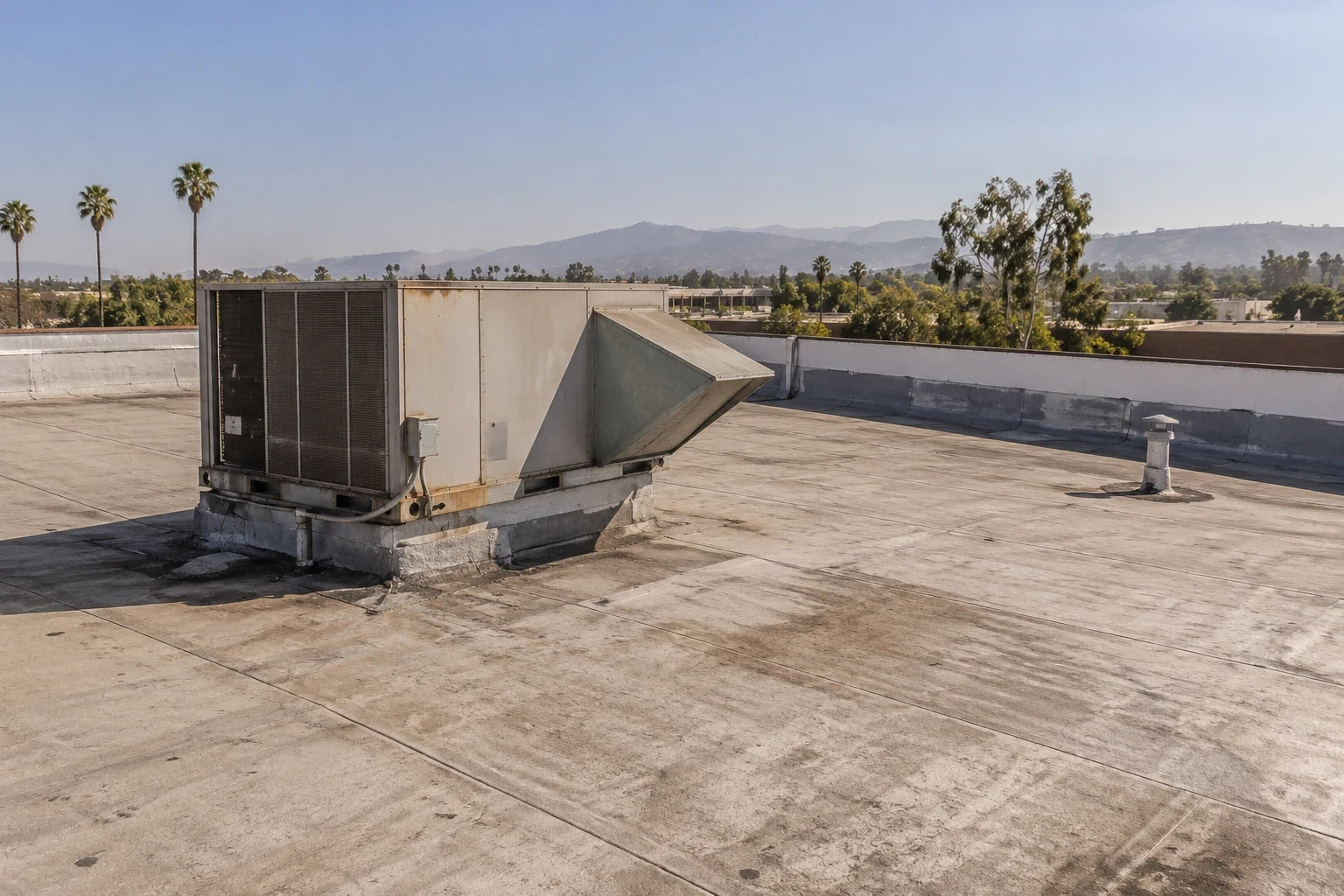
Equipment curb and support task coordination identifies roofing alongside qualified mechanical, electrical and support work. Obtain the intended dimensions and receiving requirements, then compare them with the finished roof relationship. Added layers or support changes can reduce junction clearance. Resolve the adjustment before equipment placement prevents suitable preparation at the connection.
The facility representative authorizes service changes. Roof access is not approval to disconnect or return equipment. If a unit moves, examine the former opening and assign any deck or insulation reconstruction required before closure. Both positions belong in the sequence. State the party providing prerequisite construction and who accepts its readiness, so the roof finish does not depend on an unnamed task between contracts.
Before including roofing in a wider project, agree on responsibility for substrate acceptance, deck or support changes, penetrations, temporary protection, and trade sequencing. The proposal should define roofing limits and interfaces, with owner design documents and submittals as the governing basis where applicable. Identify who controls RFIs, field changes, concealed-condition notices, and inspection hold points. A roof-to-wall or equipment transition can cross scopes; show who furnishes, installs, and accepts each part. Keep the accepted baseline and approved revisions together at closeout.
Record trade acceptance before roofing closes the transition.
How does the operator review the affected phase?
Property manager construction coordination preserves the owner and tenant roles where both are involved. Provide the actual opening, material movement and protection arrangement for operator review. Restricted rooms, entrances or services can change the phase. Identify who can authorize the changed arrangement and include its practical cost where the method requires it.
For work involving a logistics operator, roofing beside receiving activity also needs contents and delivery responsibilities agreed. A construction schedule does not authorize movement of customer goods. Temporary protection has a defined purpose, suitable method and checking responsibility. Keep a permanent correction or further examination visible where initial work has not completed the task.
Which complete scope should the owner compare?
A repair includes preparation and a suitable receiving boundary. Explain a finding that changes the extent beyond the visible defect. Restoration needs assembly suitability and selected product requirements. Replacement includes removal, disposal and receiving reconstruction. Different options may require different equipment, outlet or wall adjustments, which belong beside the field-material amount before bids are compared.
Located roof findings and scope records retain the physical basis through pricing. Additional deterioration discovered during opening needs its location, necessary work and quantity effect documented. Present the practical operating consequence with the revised amount for the applicable approval before concealment. A change becomes reviewable when the owner understands the construction it adds, not merely the number requested.
What remains identifiable at acceptance?
Confirm actual project authority, accepted application basis and alteration requirements. Oceanside's building information provides the municipal context; Energy Code requirements need the applicable compliance approaches and exceptions evaluated for the selected work. The material name or surface color cannot settle every provision. The contractor retains required reviews with the assembly and adjoining construction before procurement fixes the option.
Keep preparation photos before later layers conceal useful evidence, then record products and final roof references. Roofing acceptance remains distinct from equipment commissioning, interior restoration and return of affected operations. Name unresolved questions and next actions with their responsible parties. A later water occurrence needs new details and comparison with completed construction and intervening changes, allowing the next examination to follow the actual mechanism rather than assume the previous correction explains every report.
Retain the original proposal alongside accepted revisions so the owner can identify the reason for a later quantity difference.
Commercial Roofing Questions
How should coastal moisture enter the contractor schedule?
Examine the surface against the selected product requirements. Keep useful assessment or prepared tasks distinguishable from application still waiting for suitable conditions, with protection and practical closing arrangements retained.
What should be settled before pricing an equipment connection?
Confirm dimensions, finished heights and qualified support and service responsibilities. Assign prerequisite preparation and its readiness check before roofing depends on the connection.
How should concealed deterioration change the amount?
Locate the discovery, define the necessary receiving work and establish its quantity. Submit the price and phase effect for the applicable approval before later material conceals it.
Who approves changes to occupied activity?
The owner or facility representative responsible for the affected use or service. A contractor calendar and roof-access permission do not automatically supply that authority.
What should roofing acceptance leave distinguishable?
Record the roof task delivered and approved changes. Equipment, interior and operating acceptance belong to their responsible parties, with contacts and next actions for unresolved work.