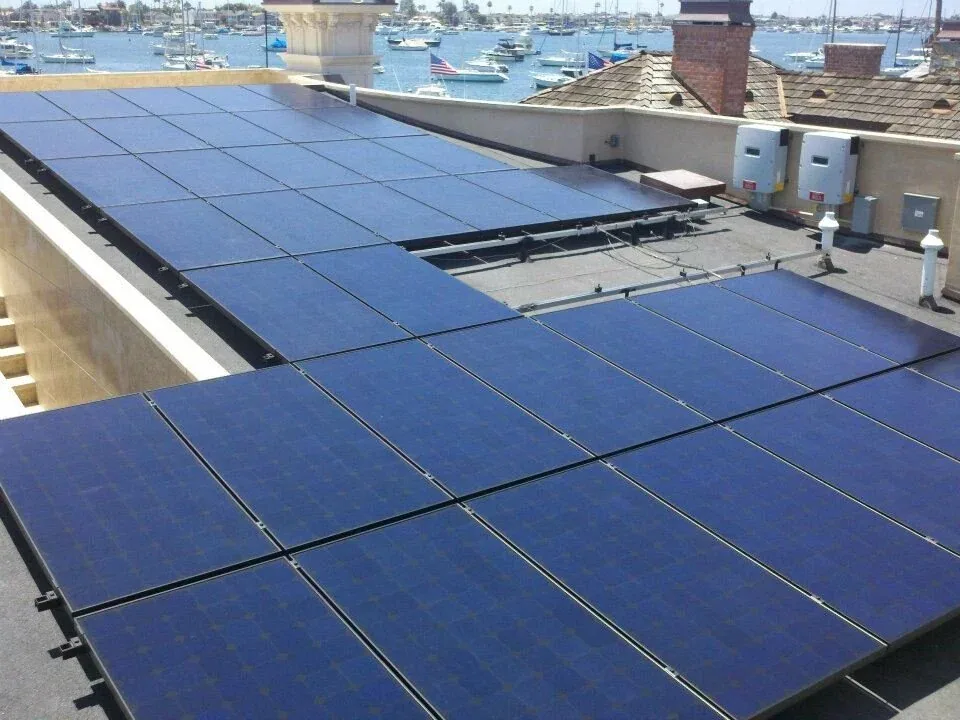
How are drainage and service routes preserved?
The proposed layout should account for outlets, existing equipment and access needed for future examination or correction. Panels and supports change the way people can reach roof areas. Compare their locations with the actual assembly and keep the agreed layout in the facility record. A verbal assurance of future access leaves an important repair question unresolved.
Our drainage coordination identifies outlet concerns and any roof-side correction needed first. Ask how a later damaged detail would be reached and which trade would be involved. That information can influence a layout while changes are still practical. The director can compare arrangements on a usable maintenance basis rather than only the amount of equipment placed overhead.
Record the contact responsible for arranging future equipment access and the owner authorization that such work would need. A repair crew may require information about electrical isolation, lifting or removal from the relevant qualified personnel. Resolve those responsibilities with the solar contractor while the layout is being agreed. The facility can then incorporate the expected coordination into its service calendar, including a way to report an inaccessible outlet or damaged roof detail without leaving the task between trades.
Which documents should be reviewed before alteration?
Manufacturer and workmanship terms may address additions, repair procedures or required notices. Review the actual documents with relevant parties before altering the roof. A mounting style does not automatically preserve every coverage term. Keep the project-specific requirements and approvals where applicable with the planned arrangement.
Roof work also needs its applicable authority and energy review for the actual scope. Oceanside identifies its 2025 California Title 24 enforcement from January 1, 2026, with the accepted submission basis established for the project. California alteration provisions and exceptions need consideration. The roof and solar documents should describe compatible interfaces, especially where a scope change affects materials, support or geometry.
What should the facility coordinate before installation?
At a Vista property, obtain receiving, roof access and equipment service information from the operator. For an Ocean Ranch Corporate Center building, confirm its actual affected rooms and working periods. Current site arrangements determine the sequence rather than a presumed schedule for every business setting.
Marine-layer conditions and cooler-season rain inform planning, while product requirements and current readiness determine the application tasks. Responsible personnel review equipment or air-handling controls where the method affects them. Keep temporary protection and the response to hidden conditions assigned. The director receives the next authorization and trade task together if a finding changes the useful work boundary.
What should remain after the combined project?
Retain roof preparation images, attachment locations and the final arrangement with material identification and relevant checks. Solar personnel provide their respective completion records. Keep approved revisions at the same roof references, showing which construction changed and which areas remain accessible. This makes the combined file useful beyond the installation date.
A maintenance plan can examine accessible roof components and identify coordination needed for later tasks. Add equipment changes and new water observations to the record. A renewed drip requires source examination rather than an assumption that the solar installation caused it. The director has a known assembly and layout for selecting the next useful investigation.
Commercial Roofing Questions
Does preparing for solar require roof replacement?
Choose the roof scope from current condition and the proposed installation needs. Defined repairs or further investigation may be suitable, while another finding can justify larger work. The recommendation should explain the evidence and future access consequences behind the choice.
Who reviews structural loading?
Qualified design professionals establish support requirements for the actual installation. Roofing examination contributes accessible findings. Keep the review and necessary information assigned before the mounting arrangement relies on retained construction.
Does ballast remove roof coordination?
Loading, layout, membrane protection and service access still require review. The complete assembly and proposed arrangement need a suitable basis. A lack of penetrations should not be treated as proof that every roof question is resolved.
What should be decided about future repairs?
Identify how relevant outlets and details will be reached and which personnel must coordinate any equipment involvement. Keep that arrangement with the layout. The director can then compare options while access changes remain possible.
What records help after installation?
Retain roof and solar completion information at consistent locations, including approved changes and materials. Add later observations and alterations. The next examination can then use the actual combined arrangement and its documented interfaces.